


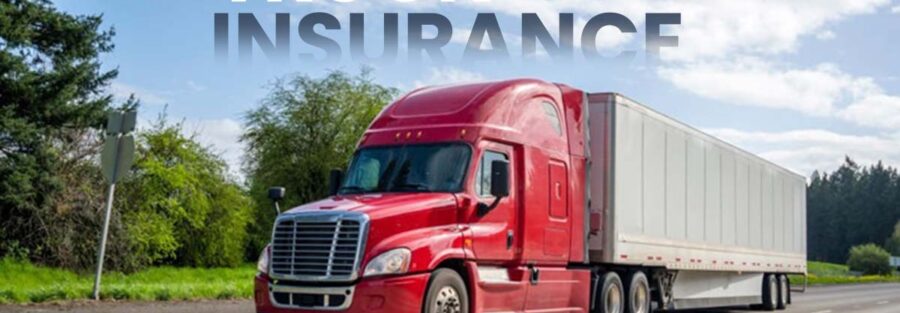
Truck Insurance in Alberta: What Owner-Operators Often Overlook
Owner operators in Alberta rely on their trucks as a primary source of income. For this reason, it is important to have adequate insurance coverage. Unfortunately, many owners unknowingly operate with coverage gaps that won’t be discovered until they have experienced an accident or have received a letter from their Insurance Company denying a claim following an inspection.
ASSUMING PERSONAL AUTO INSURANCE AS A SUBSTITUTE
It is commonly assumed that personal auto insurance will provide sufficient coverage for commercial truck activity. However, any time a vehicle is being used commercially to transport goods, haul loads, or to run a business, i.e. provide a service through a contract, then personal auto coverage will no longer apply to that vehicle. If a vehicle has been used for a commercial purpose and has not been properly classified under a Commercial Truck Policy, it may not be covered at all. Furthermore, because commercial truck insurance provides additional protection, it is also a requirement under both provincial and federal laws.
UNDERESTIMATING LIABILITY EXPOSURE
Another common misconception is that it is normal for owner-operators to carry the minimum amount of liability required by law. The reality is that many claims due to severe accidents will exceed the minimum limits set by legislation. For example, if you were to be involved in an accident resulting in injuries, death or destruction to another person’s property, the total cost for your legal defence, settlement and resolving the medical bills could far exceed the statutory minimum limit of liability.
CARGO INSURANCE
There is a misconception about cargo insurance. Many drivers believe that the shipper or broker will always cover the cargo, so no extra coverage is needed. However, based on the terms of their contract, the owner-operator may be responsible for the loss, theft or damage of their cargo. Without a sufficient amount of coverage for cargo, the loss of just one load can eliminate all income for months. Additionally, it will negatively impact owner-operators’ relationships with their customers.
DOWNTIME
Another commonly overlooked risk is downtime. A truck can have an accident, be stolen, or suffer a mechanical failure, which means that income will cease immediately until the problem is fixed. The repair cost is just one part of the total loss; owner-operators lose income from missed loads, incur penalties and continue to pay for ongoing expenses like loan payments and ongoing insurance premiums. With downtime or business interruption insurance, the owner-operator is compensated for the income they lose while the truck is being repaired. Unfortunately, many owner-operators do not carry this type of policy.
COMPLIANCE-RELATED ISSUES
A third area of risk related to claim outcome is compliance-related issues. If the truck drivers do not maintain the proper records of log books, vehicle maintenance, and safety files, their claims may be delayed or denied. Insurers now evaluate the compliance records, inspection records and risk management practices as part of their decision-making process when evaluating claims. Compliance is not only about avoiding fines; it directly impacts a truck’s insurability and the eventual success of a claim.
NO UPDATE
Another frequent mistake made by owner/operators involves failing to update their commercial truck insurance coverage as they expand their business operations. It is necessary to physically change the way an operator handles their shipping, such as by changing routes, transporting different types of cargo, adding new types of trailers, or entering into new shipping contracts. Because of changed exposure to risk, commercial truck insurance policies should be modified or updated whenever there is a change in an operator’s business. An owner/operator will throw themselves into a large financial gap by operating outside of their declared use and coverage; therefore, it is essential to stay current with an operator’s commercial truck insurance needs.
CONCLUSION
Lastly, a common misconception about dealing with an independent truck insurance broker is that many owner/operators do not fully appreciate the value of an independent agent. Unlike car insurance policies, commercial truck insurance is unique to each operator and the type of cargo being hauled, along with the distance hauled, value of the vehicle being used, and the regulatory requirements for that vehicle. A licensed independent broker who has experience in the commercial trucking industry will understand the insurance risks associated with commercial trucking, as well as the insurer’s expectations, and compliance with state and federal regulations. An independent broker will assist an owner/operator in developing the proper policy or policies to protect them when they need a claim.
Get in touch with us to get a quote.